Aromatherapy is more than just pleasant scents. It’s a natural way to support your mind and body through the power of essential oils. Humans have used aromatherapy for thousands of years even until today, and it involves using concentrated plant extracts to promote mental and physical wellbeing. Whether it’s the calming aroma of lavender after a long day of study or the refreshing scent of peppermint to re-energise your mind when you’re tired, aromatherapy offers a simple and accessible way to care for your wellbeing. This article will help you understand what aromatherapy is, the potential health benefits, popular essential oils and tips to find high-quality products, and finally how you can safely use it in your everyday life!
“When the mind is calm, how quickly, how smoothly, how beautiful you will perceive everything.”
Paramahansa Yogananda
What is aromatherapy?
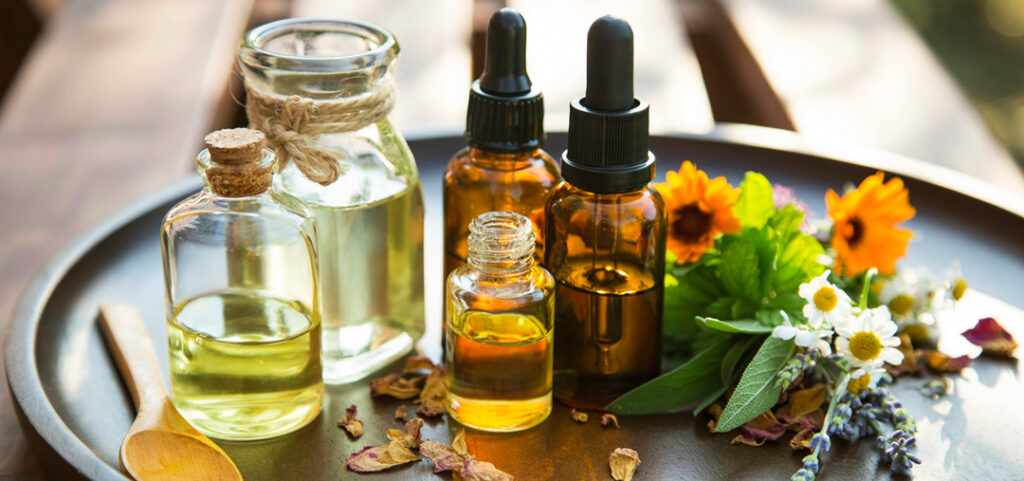
According to Cleveland Clinic, aromatherapy is the use of essential oils to improve your health or well-being, and can work through your sense of smell and skin absorption. Essential oils can come from different parts of plants, including stems, leaves, and flowers. Essential oil normally comes in tiny bottles sold in wellness stores, gift shops, or even local markets, where in my experience, the fragrant scent alone can draw you in from a few stalls away!
What are the potential health benefits?
Aromatherapy is not a treatment for any medical condition and should not replace any treatments provided by a healthcare professional. However, according to Healthline, it can offer relief for certain symptoms, including:
• improved sleep quality
• reduced stress and anxiety
• stronger immunity
• pain management
• soothed sore joints
• headaches and migraines
How does aromatherapy treatment work?
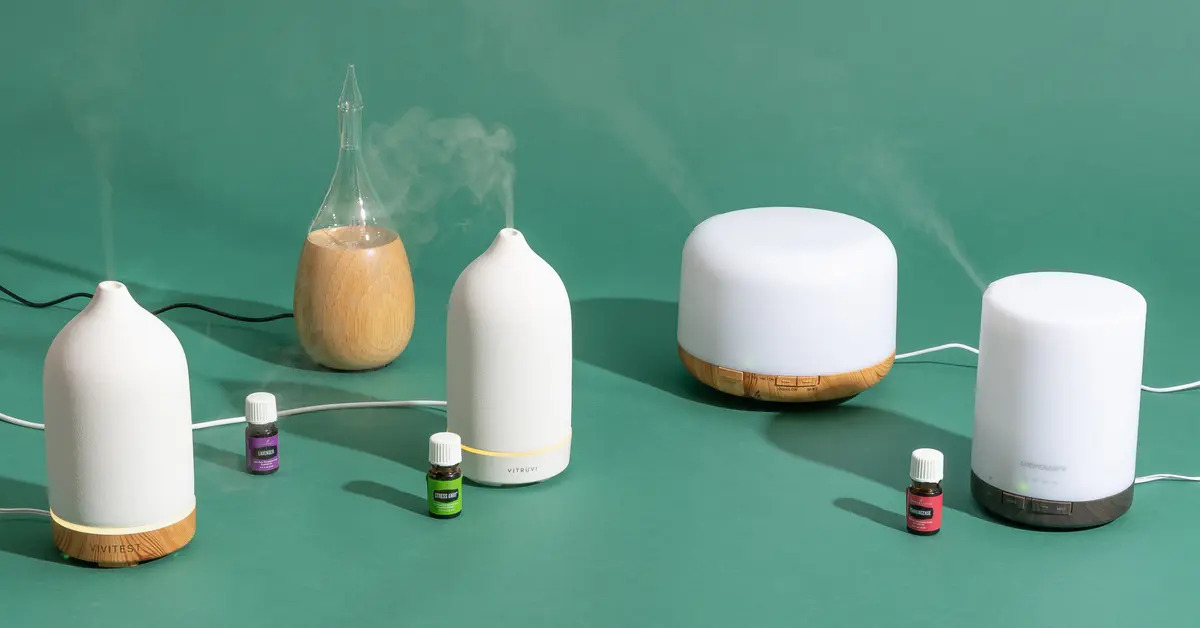
You can use essential oils for aromatherapy through diffusers, a device that heats and evaporates the oils and releases the essential oil scent all around a room or even your entire home. All you need to do is to add water to your diffuser and a few drops of your essential oil. Then, you can place the diffuser in a suitable location where it can spread fragrance throughout the room.
To decide how many drops of essential oil you should add into a diffuser, follow this guide by The Magic Scent.
If the diffuser’s size is:
– 100 mL add 3 to 5 drops
– 200 mL add 6 to 10 drops
– 300 mL add 9 to 12 drops
– 400 mL add 12 to 15 drops
– 500 mL add 15 to 20 drops
Do remember that some types of essential oils are stronger than others, so you might need to use less amount of it. If it’s your first time using a diffuser, try adding a standard amount of 3 drops. After getting used to the new aroma, you can increase or decrease the amount of essential oil drops depending on the scent effect you want.
• Lavender – insomnia, headaches, burns, aches and pains
• Sandalwood – depression, anxiety, and nervous tension
• Peppermint – digestive disorders
• Rosemary – muscular pains and mental stimulant
• Tea Tree – breathing problems, antibacterial, and antifungal
• Sweet orange – depression and anxiety
How to find quality essential oils?
If you are planning to get an essential oil, finding a good quality one can be challenging, but don’t worry because here are some tips from Johns Hopkins Medicinethat can help you shop for pure essential oils:
1. Look at the label and find the ingredients and manufacturing country
2. Check if it’s a well-known and reputable company
3. Choose dark-coloured and glass containers
4. Avoid “fragrance oils” that is combined with other chemicals. Look for bottles that contain 100% essential oil with no other fillers.
5. Compare the prices. For example, rose or sandalwood oils will be more expensive, while sweet orange oil will be on the less expensive end.
Whether you want to relieve stress, improve sleep, or simply create a calming space, aromatherapy offers a natural and gentle way to support your wellbeing. As with any wellness practice, start simple and listen to your body to discover what works best for you!
Resources
.
Australian & New Zealand Mental Health Association aromatherapy article