

It’s finally November, the last stretch of the year! If I asked you how many hours you’ve spent staring at a screen since January (yes, including both your phone and laptop), what would you guess? Do you think it would be low or high? ‘Screen time’ is the time we spent with any screen, including smart phones, tablets, television, video games, computers, or even smart watch.
As students, we have to use our laptop or computer to study every day while also using our phone to keep up with new updates and stay connected to others. Technology has become such a normal part of our daily routine that we barely notice how often we reach for our screens. As time passes, we start seeing the things around us slowly becoming digitised like books and games.
In the past, you have to bring heavy textbooks to school but nowadays you can download an online version and access it from your laptop anywhere you go. These are great innovations that make learning faster and more convenient. However, if everything we need to do is inside a screen, when do we actually get a break from it? Have you ever considered how screen time affects our health and wellbeing? What if feeling tired, struggling to sleep, or experiencing headaches could all be linked to how much and how often you use your screen? Would you work towards reducing it if you knew it was all related? This article will explore what healthy screen time looks like and how you can build it using guidance backed by real evidence. Follow along to learn more!
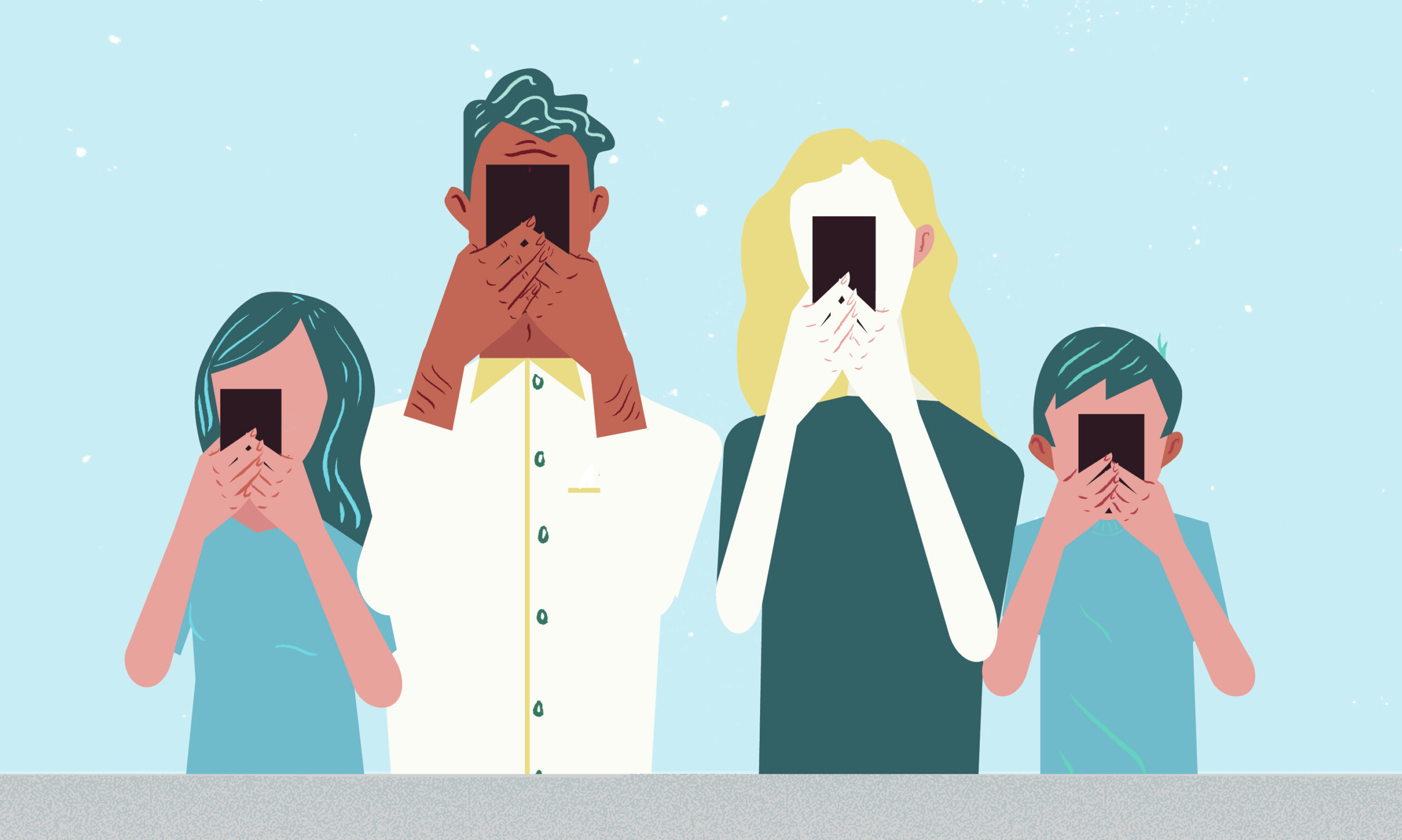
Curious about how much time you actually spend on your screen each day?
It’s okay if you’re not sure, many of us lose track without even realising it.
Here’s a quick way to find out:
1. Open settings
2. Click on screen time (iPhone) or digital wellbeing (Android)
3. Check your daily average in a week or time spent online today
4. Look deeper into what apps you spend most of your time on5. Reflect on what you did inside the app. Did you find anything meaningful or were you mindlessly scrolling (also known as doomscrolling)?
It’s really easy to get caught up in doomscrolling, especially when you’re tired or bored because it’s easier to pull out your phone than to find something meaningful to do. When that happens, take a break from the screen and bring yourself back to the present. You can stand up, stretch your body, shake it out, or take a quick walk outside for some fresh air.
One of the mindfulness exercise you can also do is the 5-4-3-2-1 grounding exercise of noticing:
- 5 things you can see
- 4 things you can touch
- 3 things you can hear 2 things you can smell
- 1 thing you can taste
This exercise involves the five body senses and can help you ground yourself after long periods of staring at the screen.
How does screen time affects your physical and mental health?
Too much screen time can affect both your body and mind. According to a study by Devi and Singh (2023), the most common physical danger being eye strain, neck and shoulder pain, and back pain due to the poor posture when using digital devices.
- Try these tips for a better study setup:
- Keep your screen at eye level (use a laptop stand or even a few books)
- Sit back in your chair with feet flat on the floor
- Make sure your wrists and elbows are relaxed
- Take short breaks to stretch and look away every 20 minutes
Moreover, excessive screen time can also affect mental health, particularly among young people. Research has shown a link between increased screen time and increased levels of depression, anxiety, and other mood disorders. Additionally, excessive screen time can impact sleep, leading to sleep deprivation.
Other factors like screen brightness can also impact sleep quality because the blue light tricks our brain into thinking it’s daylight and affects our body clock! If you want to learn more about how screens affect your body clock, check out the article “Do You Want to Sleep More?”. It breaks down how to reset your sleep cycle and wake up feeling more refreshed!

How can we manage our screen time?
So, what’s the secret to healthy screen time? A study published in the Journal of Child and Adolescent Behaviour suggests four key principles:
1. Healthy management
Be intentional about your screen habits
2. Meaningful screen use
Choose content that enriches or connects you
3. Positive modelling
Surround yourself with people who practice balance
4. Balanced monitoring
Set realistic limits without guilt
The study earlier by Devi and Singh also found that taking part in a digital detox, even for a day or a weekend, can improve sleep, reduce stress, and boost overall mood. Digital detoxes don’t have to mean going completely offline. It can look different from one person to another. Figure out what works best for you because the goal is to take a break from your phone, so the best thing you can do is keep yourself happy and entertained by the activities you chose. Maybe that’s turning off notifications after 10 PM or doing something creative that doesn’t involve a screen. If you need ideas for things you can do during a break that is screen-free, read this fun blog in Medium!
You can also try:
1. Limiting screen time
Use app timers or schedule short breaks
2. Moving your body
A quick walk, stretch, or yoga flow helps reset your energy!
3. Prioritising face-to-face connection
Grab lunch with a friend, join a student club, or just talk face-to-face
Your screens help you study, stay connected, and explore the world but finding balance is important as well. Too much screen time can influence your wellbeing, focus, sleep, and mood. If you’ve been feeling drained or overwhelmed by studying, remember that you don’t have to manage it alone. Our Student Wellbeing Advisers are here to listen and can help you build healthier study habits, manage stress, and find balance in your day-to-day routine. You can book a confidential appointment here!
Resources