Summer in Australia is an exciting time – parties, beaches, sunshine, and exploring with friends! But we also acknowledge for many of you this may be your first Christmas break in a new country away from family and friends and with the college shut down period, this can also bring changes to routines, limited services, and increased feelings of isolation.
Whether this is your first summer here or you’re a returning student, staying safe, physically emotionally and mentally means, you can relax and enjoy every moment.
Below are some essential tips to help you party safely, swim smart, and look after your wellbeing during the upcoming shut down period.
Health and Wellbeing
This summer shutdown period can be a great chance to rest, recharge, and explore Australia’s many beautiful places at your own pace. Making sure you prioritise your physical and emotional wellbeing during this time will help you stay healthy, connected, and supported while making the most of break before we all hit the ground running when we return to College in January.
Here are some top tips to keep you feeling well and thriving over the summer break.
✅ Do’s
⏰ Maintain a routine: Keep regular sleep, meal, and activity times to support your mental and physical health.
🤝 Stay connected: Check in with friends, family, or housemates regularly, online or in person. Make plans with friends in advance so you don’t go many days in a row alone.
🥗 Look after your body: Eat balanced meals, stay hydrated, and keep active with walks, stretching, or light exercise. This can help with sleep, energy levels and general health and wellbeing.
🏀🎶🎭 If you find that all your friends are overseas and away for the holidays, getting involved with local clubs or committees, or sports can help you feel connected to your wider community while also meeting new people.
🌞Remember to get some morning sunshine. Did you know that just 10 mins of morning sunshine helps your body to release serotonin, an important hormone that helps you feel happy and motivated for the day.
📅 Plan ahead: Know which health services, pharmacies, and support lines are open during the shutdown.
📞 Reach out for help: If you feel stressed, anxious, or overwhelmed, contact a trusted person or a mental health support service. Listed below are a number of health services available so don’t forget to check these out.
🧠 Check in with yourself: Take time to notice how you’re feeling and rest when you need to.
🔋 Keep a balance between work and play and try not to overcommit: Use the break to recover – burnout affects both mental, emotional and physical health.
Taking small, consistent steps to care for your emotional and physical health can help you feel safer, calmer, and more confident during the summer shutdown. And remember….
⚠️ Don’t ignore warning signs: Ongoing low mood, trouble sleeping, or loss of motivation are signs to seek support early. 🌈 Support is always available – you’re not alone. 💛
Staying safe is not only about self care, and there are some other important things to learn and be aware about when living and studying in a new country, and especially over Australia’s busiest time. This includes partying safely, staying safe at the beach and making sure you know everything about staying safe online.
So to all you fabulous students, don’t log off just yet and make sure you read ahead………..
Partying Safely 🕺🪩
Partying with friends is a great way to celebrate the holidays – but your wellbeing always comes first. Keep these safety reminders in mind during the festive season:
The Do’s of Safe Partying
⭐ Eat before drinking 🍔
Food helps your body process alcohol more safely. Remember to have lunch or dinner before you head out.
⭐ Try non-drinking activities
There are so many things you can do without needing to have a drink. Plan activities with friends such as bowling 🎳, board games 🎯sporting activities and the cinema – fun without the hangover!
⭐ Use protection
Safe sex = smart sex. Make sure you always use protection. This protects you from many sexual transmitted infections and any unwanted pregnancies.
⭐ Check in with your mates
Stay together and look out for each other. Make agreed plans before the night on how you will get home and what time. If something changes during the night, and one of you ends up deciding you want to leave the party earlier than your friend(s):
- Make sure you let them know
- Make sure you both have a safe way to get home
- Make sure they will be with someone that you know and both trust
- Turn your locations on and share these with each other.
- Check in on them the next day.
⭐ Whenever you are going out alone, make sure you tell a friend where you’re going & when you’ll be home and share your location🕙
⭐ Meeting someone you met online
Meet up in a public place and let your friends know where you are. Remember that you can always say no and leave at any time. Having an exit plan is always helpful.
⭐ Have a Plan B for getting home
Spare cash, rideshare apps, public transport options. Don’t walk home alone late at night.
⭐ Post-party ritual:
Plan the perfect late-night snack – the future you will thank you.
Stay hydrated the next day and drink plenty of water with electrolytes.
Always…
⏳ Take your time drinking – pace yourself.
🆘 #AskForAngela
If you feel unsafe on a date or during a night out, ask staff for Angela and they will quietly help you leave the situation.
🚫 Under 18? No alcohol.
It’s illegal to buy or drink alcohol under age 18 in Australia. Penalties can be serious – don’t risk it 👮♀️🚨.
Be aware of…
🔸 Drink Spiking 🥃💊
Never leave your drink unattended. If you accidently do, don’t risk it and buy a new one.
🔸 Violence or aggression
Alcohol can affect a person’s behaviour – stay aware, keep clear of and move away from unsafe situations.
🔸 Drug overdose or alcohol poisoning
Know your limits. We can all drink different levels of alcohol before we feel the effects. Keep strong boundaries – walk away from any friend who is encouraging you to drink more and remember: it’s okay to say NO.
🔸 Unsafe or non-consensual sex 💏
Consent must always be clear, enthusiastic, and mutual. If you need to learn more about consent before engaging in sexual activity with anyone, check out this resource.
🔸 Drunk driving 🚘
Never get in a car with someone who has been drinking and NEVER drive yourself when you have had a drink. Drinking and Driving is Illegal in Australia with strong penalties including prison.
Water Safety 🏖️🩳
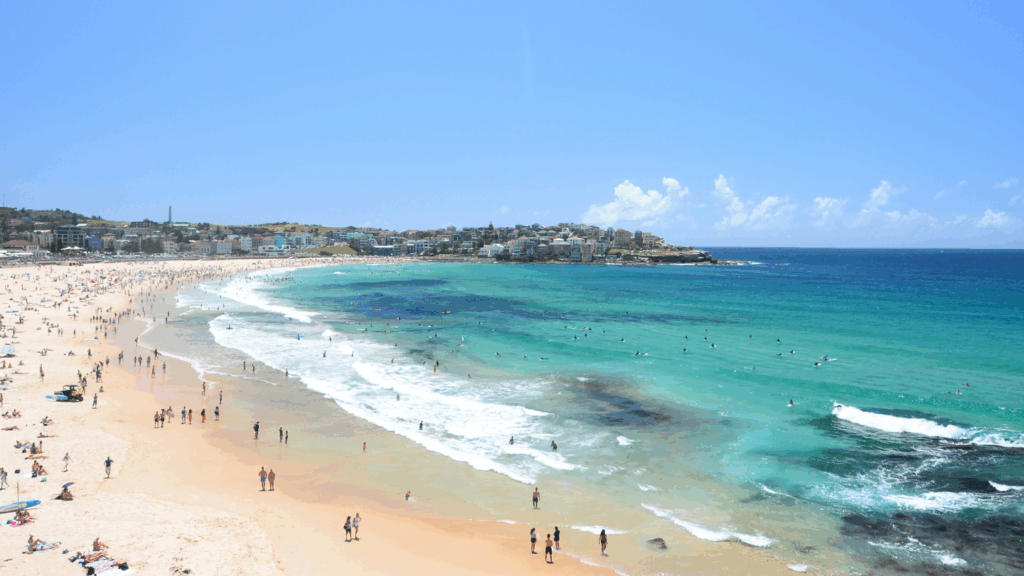
If it’s your first Christmas or New Year’s Eve in Australia, spending the day at the beach is a classic tradition! But remember – Australian summers can be hot!! And beaches can have strong currents, rips, and changing conditions. Here are some of the top beach safety tips!
Beach Safety Tips
🚩 Swim between the red & yellow flags
These areas are patrolled by lifeguards. No flags = no swimming – Simple!
🌊 Caught in a rip current?
Stay calm, float, and swim parallel to the shore to escape.
Need help? Raise one arm and call out loudly.
Learn more about rips here: beachsafetyhub.org.au
🏊♂️ “White is nice, green is mean.”
Choose bubbly white water for safer swimming.
Sun Safety ☀️
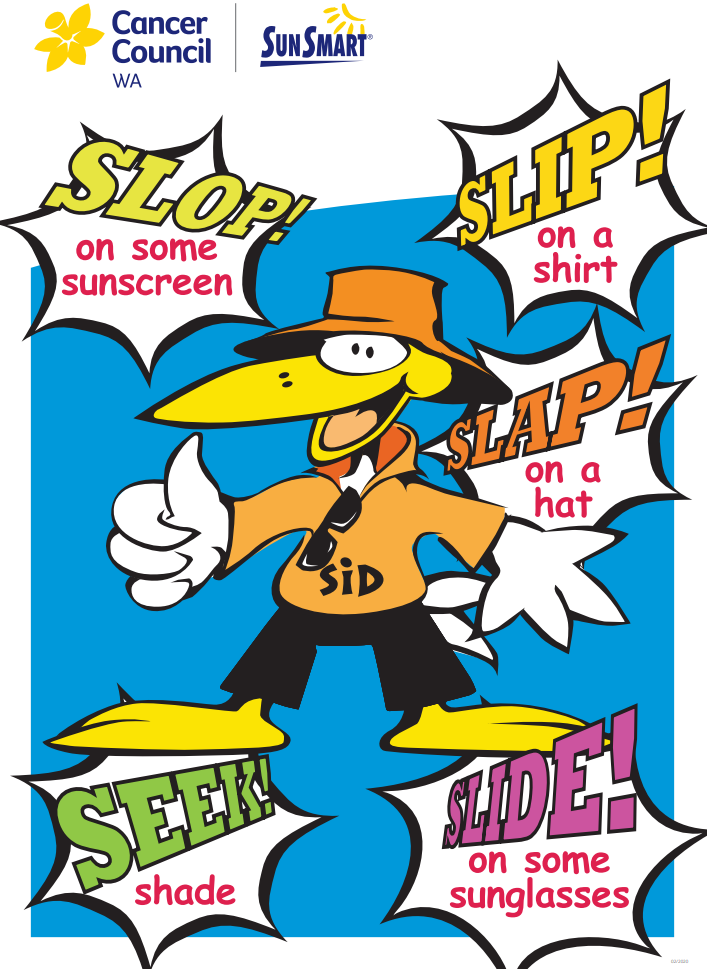
Australia has intense UV radiation – even on cloudy days. Protect yourself using the SunSmart 5 Steps:
1️⃣ Slip on long sleeves 👕
2️⃣ Slop on SPF 50+ sunscreen 🧴
3️⃣ Slap on a wide-brim hat 👒
4️⃣ Seek shade 🌳
5️⃣ Slide on sunnies 🕶️
Sunscreen tips:
- Apply 20 minutes before going outside
- Reapply every 2 hours (more if swimming/sweating)
- Use 1 teaspoon per limb, plus head, chest, and back = 7 teaspoons total
Hot Summer and Heat Safety Tips 🔥
Australian summers can get extremely hot. It is important you protect yourself from heat exhaustion and heat stroke. Knowing the Signs of Heat Warning is also key ❗️and knowing what to do for yourself or another is crucial as it may just save their life. Here are some signs and symptoms to look out for:
Heat Exhaustion – this is when the body starts to overheat and whilst its serious it can be treated easily and quite quickly.
Watch out for symptoms such as headache, nausea, fatigue, rapid pulse, heavy sweating
👉 Move to shade, drink water, cool down with a shower or compress. If symptoms continue make sure you seek medical support and make sure you tell someone who can help care for you.
⚠ Warning alert! Heat stroke is more serious and can be life-threatening so it important to take the signs and symptoms seriously.
Symptoms include: confusion, slurred speech, dry tongue, body temp above 40°C
👉 CALL 000 immediately and cool the person while waiting for help
To avoid getting any of the above, follow these simple tips on how to stay cool and look after yourselves during summertime heatwaves!
Stay Cool & Hydrated
💧 Drink water regularly (don’t wait to feel thirsty!).
🌬 Use fans or AC, and wear light loose clothing .
💦 Splash cool water on your skin, or take multiple short cold showers throughout the day.
👥 Check on friends, neighbours, and vulnerable people – especially during a heatwave.
📱 Plan your day wisely.
Avoid outdoor activities during peak heat. If you must go out, bring water, wear a hat, and use sunscreen.
And remember those with pets……….
🚗 Never leave pets in a parked car as temperatures can double in minutes. If you are leaving pets indoors, make sure they have a place to stay cool. Maybe it’s the tiled floor in the kitchen or bathroom, or you can even use a pet cooling mat. You can purchase these from all Australian pet stores.
Online and Social Media Safety
Finally, students let’s talk about online safety. We are nearly there so keep reading! 🤗
We all live in a world now where communication online is common and very much needed as a way to stay in contact with loved ones and overseas family and friends. Sadly, in Australia and worldwide, there is an increase in scams and fraud. Being aware of how to stay safe online is not just important, it is a must! especially for international students, as unfortunately scammers like to target you.
So how can you stay safe online against scams, cyberbullying, identity theft, and financial fraud – being digital aware is the first step. Here are some key do’s and don’ts
Firstly…
Watch out for SCAMS
A scam is a dishonest and often illegal way of tricking someone into giving money or some advantage to a scammer. Anyone can be affected by a scam – knowing how to recognise one can keep you safe. The different and common scams to watch out for are:
🏫 Government impersonations, including fake deportation threats, visa tax issues.
🏠 Rental fraud (large deposits upfront, fake listings)
💼 Job scams (fees for non-existent jobs)
💸 Fake fees for scholarships and tuition fees
📅 Requesting transfers to bank accounts
Beware of scams | Current Students – UNSW Sydney
⚠️ Sextortion is a real risk – Sextortion is a form of online blackmail where someone tricks or coerces you into sending sexual images of yourself and then threatens to share the images unless you comply with their demands. Usually, these demands are for more images, payment or sexual favours.
What to look out for:
Scammers may flirt, request intimate photos, then demand money. Don’t pay, don’t panic, don’t be embarrassed – REPORT it to the police 🎭
⚠️ Watch out for Image-Based Abuse (IBA) – Image-based abuse involves sharing or threatening to share a person’s intimate images or videos without their consent. It’s a form of bullying aimed to cause distress and mental harm.
What you can do to protect yourself: Never share intimate photos with people you don’t fully trust. Once sent, you lose control. If someone threatens to share your images, seek help immediately from a trusted adult, teacher, or go to the police – any kind of bullying is taken seriously in Australia and there are many supports available, such as eSafety. Whatever has happened, you’re not alone. 📵💛
Overall, to keep you safe online here are a few top tips:
✅ DOs of online safety
📩🔍 Verify Messages
Double-check texts/emails from unknown senders. Don’t open random links. Stay cautious!
🔒✨ Use Strong Unique Passwords
Enable Multi-Factor Authentication (MFA) on all important accounts.
📍👥 Meet safely
If meeting someone from Instagram/TikTok, choose a public place and let a friend know where you are.
📸🤫 Think Before you post
Avoid sharing photos that show your home, ID, documents, or personal details.
🚫👀 Trust your instincts
Block/report anything that feels off.
🔄💻 Keep Devices Updated
Install updates and keep antivirus protection on.
😴📵 Limit Screen Time before Bed
Stop using your phone at least 30 minutes before sleeping to improve rest.
❌ DON’Ts
🚫🔗 Don’t Click Unknown Links
Phishing scams often start with suspicious messages or “urgent” requests.
🛑🧾 Don’t Share Personal Info Online
Never send your address, student ID, passport details, or bank info online.
🚫🔁 Don’t Reuse Passwords
Weak or repeated passwords make accounts easy to hack.
📍🚫 Don’t Overshare Location
Avoid tagging your home, daily routes, or places you visit alone.
🎭❗ Don’t Trust Everyone Online
Not everyone is who they claim to be. Stay cautious.
⚠️🖥️ Don’t Ignores Warnings – REPORT!
Close suspicious pages or pop-ups immediately.
Stay safe, stay smart & enjoy your summer break in Australia! 🌴🌊☀️
We look forward to seeing you all in the new year!
Student Wellbeing support services over the break
UNSW Mental Health After Hours Text Line
(Monday to Friday, 5pm – 9am, Anytime on the weekends)
Ph: 0485 826 595
Lifeline
13 11 14
lifeline.org.au
Crisis support, available 24 hours a day, 7 days a week.
headspace National Youth Mental Health Foundation
1800 650 890
headspace.org.au
Information and resources for young people, family and friends. Available 3pm – 10pm daily. For webchat visit headspace.org.au/online-and-phone-support/connect-with-us
UNSW Mental Health Connect
Ph: 9385 5418
ReachOut Australia
au.reachout.com
Online mental health service for young people and their families, including free text-based chats with peer workers via au.reachout.com/peerchat
Beyond Blue
1300 22 4636
beyondblue.org.au
Information and referral for depression and anxiety. Available 24 hours a day, 7 days a week.
MensLine Australia
1300 78 99 78
mensline.org.au
Phone and online counselling for Australian men. Available 24 hours a day, 7 days a week.
13YARN
13YARN or 13 92 76
13yarn.org.au
Support for Aboriginal and Torres Strait Islander People.
QLife
1800 184 527
qlife.org.au
Phone counselling for LGBTQI+. Available 3pm – midnight, 7 days a week. For webchat visit qlife.org.au/resources/chat
eSafety Commissioner
esafety.gov.au
For reporting of online bullying and abuse
References
Staying safe this Summer – Department of Education, Australian Government
Mental wellbeing | Wellbeing & mental health – Beyond Blue
Essential Safety Tips For Students Studying Abroad