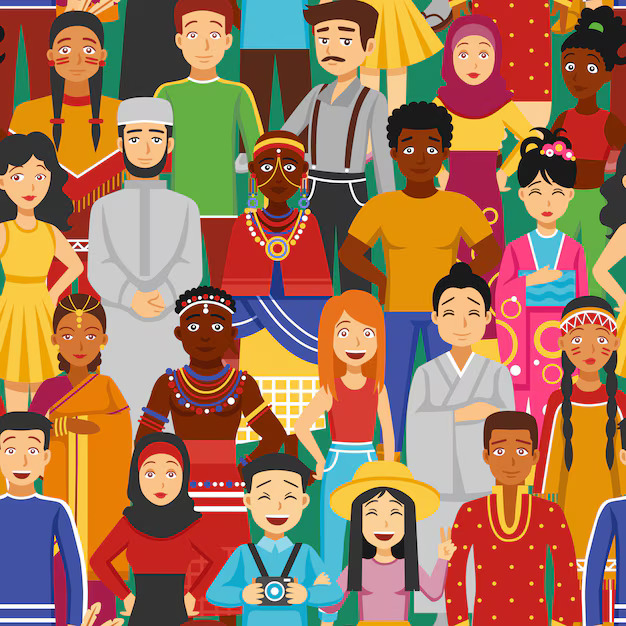
In college, you can meet people coming from different countries and backgrounds, and make friends with them. For many of us, college also offers the opportunity to be introduced to cultures different than what we have been seeing our whole life. It can be complex to navigate as you develop identity and relationships in an environment that is very different compared to home. However, having a sense of cultural identity can help you not only build a stronger sense of belonging but also strength and resilience in connecting with your culture and community. This article will explore what cultural identity and diversity is, the relationship between culture and mental health, how you can juggle multiple identities, and most importantly, ways you can stay connected with it.
“Embracing diversity is one adventure after another, opening new paths of discovery that connect an understanding to caring, listening, and sharing with others who are different than ourselves.”
April Holland
What is cultural identity and diversity?
Our cultural identity is a reflection of many things including, where we were born, where we currently live, where our parents or grandparents were born, our religious practices and beliefs, the languages we can speak or understand, the holidays we celebrate with friends and family, and much more. It shapes the way we view, experience, and navigate the world! However, it doesn’t mean that everyone from a particular cultural group has the exact same values or do things in the same way. Do you know what it’s called when different cultures are present in a space, region, or the entire world? That’s right, it’s cultural diversity!
What is the relationship between culture and mental health?
When diversity is valued and respected, people are more likely to develop social connections and a sense of belonging to their community. It can make you feel more excited about joining social gatherings or events and build strong relationships within the community. When you’re experiencing difficulties, this can also be really helpful in strengthening your resilience and guarding against stress. Watch this Headspace video to learn about how cultural identity can affect your mental health!
According to Beyond Blue, those who have positive and supportive relationships in their life, meaning people they can talk to, trust and depend on, are less likely to experience feelings of depression and anxiety compared to those who have fewer social connections. Do you know that one of the protective factors for mental health and wellbeing is feeling cared about and respected?
How to juggle multiple cultural identities?
Many young people identify with several different cultures and communities. For example, your parents or grandparents could have been born in different countries. Sometimes, it can feel like having to juggle several different cultures, including the one at home, college, work, or even with friends. You might also feel the pressure to ‘fit in’ and navigate the expectations of different cultures. It’s very normal to find it easier to be connected to one part of your cultural identity, than the others, or to also feel like you don’t belong to either!
How can we stay connected?
– Explore what culture means to you.
– Learning about, recognising and celebrating the stories and way of life in the community. Open this Cultural Atlas to discover greetings, do’s and don’ts, dates of significance, and much more information of different cultures all over the world.
– Connecting with others over food and find recipes of delicious cultural cuisines through this eatright.org website.
– Join online communities that provide spaces to connect to others with similar interests! Headspace offers mental health information and resources for multicultural young people and you can access ithere.
– Attend cultural events or festivals. You can explore different cultures apart from what you identify with because it is a great opportunity to experience rich traditions. Bastille Festivalis coming back to Sydney again this year so check it out if you’re free and celebrate winter the French way!
– Start watching movies, reading books, or listening to music that can help you explore various cultures.
Finding your cultural identity and navigating cultural diversity can be tough no matter if you’re new to college or has been around for a while. If you’re a student, ensuring you are aware of services available to you is important to feel equipped and ready to take on the year! Reach out to the Student Wellbeing Teamfor confidential support and there are people who can help and guide you.
I’m a program assistant for the Health and wellbeing team. I help run wellbeing activities in college to support students with transitioning to college life.
Do you have any advice for young people who may be feeling disconnected from parts of their culture or culture identity?
It’s okay to feel unsure or disconnected sometimes, you’re not alone in that. I think it helps to explore at your own pace and in ways that feel genuine to you. For example talking to your family, learning a tradition, or even just reflecting on what parts of your culture resonate with you personally. Let yourself grow into it, there’s no ‘right’ way to belong.
What helps you to stay connected with family, friends, and community?
To be honest, there are times when I get caught up in everything I’m doing and I don’t always reach out as much as I’d like to. But I’ve learned that it’s not always about how often you talk, it’s more about not letting that distance affect your relationships. For me, it’s about staying present when I do connect, showing care in small ways, and making sure the people I care about know I’m still here.
UNSW College support diversity and inclusion by offering Equitable Learning Services (ELS) and we have hosted an IDAHOBIT event, celebrated the neurodiversity celebration week, and much more!